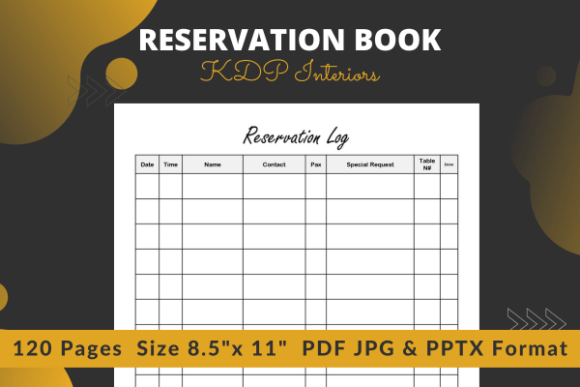
Reservation Log Book: A Practical Tool
For professionals and individuals managing schedules, events, or client interactions, a Reservation Log Book can be an essential tool. It helps organize appointments, track details, and maintain clarity in daily operations. Whether you're running a small business, managing a team, or simply keeping personal commitments in order, this log book offers a structured approach to managing reservations efficiently.
Understanding the Reservation Log Book
A Reservation Log Book is a physical or digital record used to document appointments, bookings, or reservations. It serves as a central reference point for tracking who has reserved what, when, and under what conditions. This can be especially useful for businesses that handle multiple bookings, such as salons, restaurants, or event planners.
The Reservation Book, often similar in function, may offer additional features like customizable templates, space for notes, or integration with digital tools. Both formats—physical and digital—can be tailored to meet specific needs, making them versatile for different industries and personal use cases.
Key Benefits of Using a Reservation Log Book
Using a Reservation Log Book can lead to several practical benefits. One of the most significant advantages is improved organization. By maintaining a clear record of all reservations, users can avoid double bookings, ensure timely follow-ups, and manage their time more effectively.
Another benefit is enhanced communication. When everyone involved—clients, staff, or partners—has access to a shared log, it reduces misunderstandings and ensures that all parties are on the same page. This can be particularly valuable in environments where coordination is critical, such as in hospitality, education, or creative industries.
Additionally, a well-maintained log book can help identify patterns and trends over time. For instance, a business owner might notice peak booking times, which could inform staffing decisions or marketing strategies. This level of insight can lead to better planning and more informed decision-making.
Practical Use Cases for the Reservation Log Book
Consider a small business owner who runs a yoga studio. With a Reservation Log Book, they can track class enrollments, monitor attendance, and manage instructor schedules. This not only streamlines operations but also allows for better customer service by ensuring that each session is properly staffed and prepared.
Similarly, a freelance graphic designer might use a Reservation Log Book to manage client meetings, project deadlines, and feedback sessions. By having a centralized record, they can stay on top of their workload, avoid missed appointments, and maintain a professional image with clients.
Even for personal use, a Reservation Log Book can be beneficial. For example, someone planning a wedding might use it to track vendor contracts, venue bookings, and guest RSVPs. This helps keep the planning process organized and reduces stress during the event itself.
Who Can Benefit Most from a Reservation Log Book?
The Reservation Log Book is particularly useful for professionals who rely on scheduling and coordination. Entrepreneurs, event planners, and service providers often find it invaluable for managing their workflow and ensuring smooth operations. It’s also helpful for educators, who may need to track student appointments, office hours, or meeting times.
Creators and content producers can benefit from using a Reservation Log Book to manage interviews, collaborations, or client consultations. By keeping a detailed record, they can stay organized and ensure that no important meetings or deadlines are overlooked.
For individuals with busy lifestyles, the log book can serve as a personal organizer. Whether managing family commitments, social engagements, or personal goals, having a dedicated space to track reservations can make a significant difference in daily productivity.
Features of the Reservation Book.100 Format
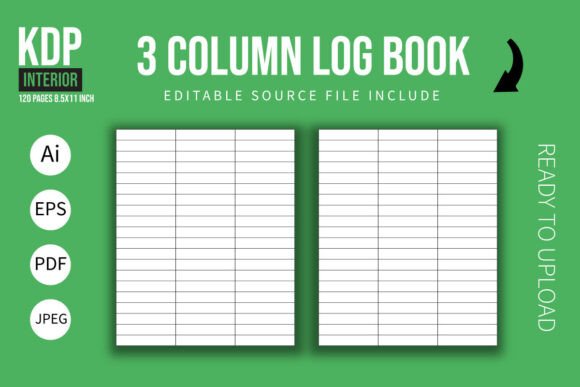
The Reservation Book.100 is designed for both professional and personal use. It comes in a standard 8.5″ x 11″ size, making it easy to carry and store. The file includes 120 pages, providing ample space for detailed entries and notes.
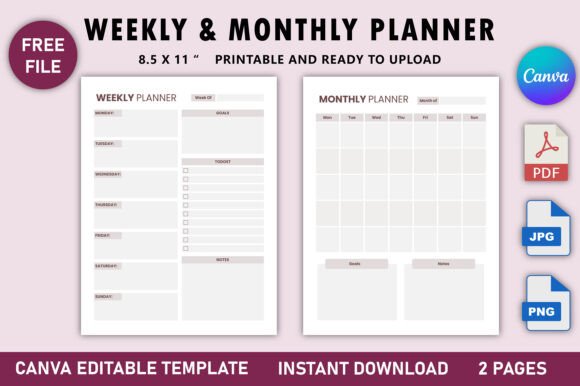
This format supports multiple file types, including PDF, JPG, and PPTX, allowing users to choose the format that best suits their needs. The high-resolution interiors ensure that printed copies look sharp and professional, while the bleed-free design makes it suitable for KDP uploads without additional formatting.
Since the interior is editable, users can customize the layout, add logos, or modify sections to fit their specific requirements. However, it’s important to note that covers must be created separately, so users should plan accordingly if they intend to print the book professionally.
Maximizing the Value of Your Reservation Log Book
To get the most out of your Reservation Log Book, consider implementing a consistent tracking system. This could involve setting up a routine for updating the log, using color-coding for different types of reservations, or integrating it with digital calendars for real-time updates.
Additionally, take advantage of the customizable features to tailor the log book to your specific needs. For example, a business might include sections for client information, payment details, or cancellation policies, while a personal user might focus on appointment reminders and notes.
Regularly reviewing the log book can also help identify areas for improvement. By analyzing past reservations, users can refine their processes, anticipate future demands, and make data-driven decisions to enhance efficiency and performance.
Considerations and Limitations
While the Reservation Log Book offers many benefits, it’s important to consider its limitations. For instance, it may not be the best solution for users who require advanced automation or integration with other tools. In such cases, digital scheduling platforms might offer more functionality.
Additionally, the effectiveness of the log book depends on how consistently it is maintained. If entries are incomplete or outdated, the tool may become less useful over time. Therefore, it’s crucial to establish a habit of regular updates and reviews.
Users should also evaluate whether the Reservation Book.100 format meets their specific needs. While it’s ideal for those who prefer a printable, editable option, it may not suit everyone’s workflow. Comparing different options can help determine the best fit for individual or business requirements.
Conclusion: A Valuable Addition to Your Workflow
The Reservation Log Book is more than just a record-keeping tool—it’s a practical resource that can enhance organization, improve communication, and support efficient operations. Whether used in a professional setting or for personal management, its structured approach helps users stay on top of their commitments and achieve better results.
By choosing the Reservation Book.100 format, users gain access to a versatile, print-ready solution that can be customized to fit their unique needs. With its clear design, editable features, and compatibility with various file types, it offers a reliable way to manage reservations effectively.
Ultimately, the value of the Reservation Log Book lies in its ability to simplify complex tasks and provide a clear, accessible reference for all reservations. For anyone looking to streamline their schedule and improve their workflow, this tool can be an invaluable asset.